

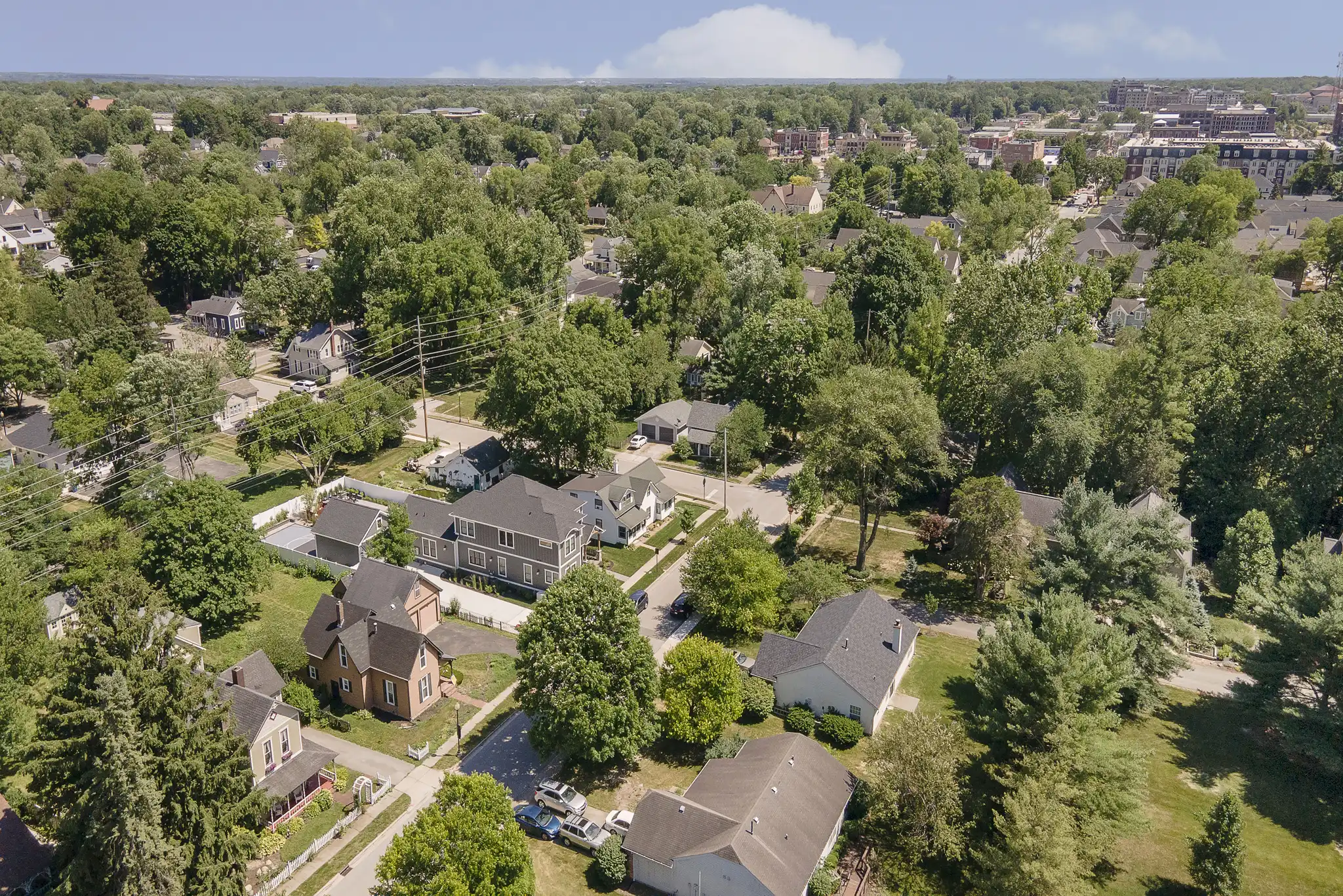
If you own property in Carmel, Fishers, or anywhere in Hamilton County, this is one you need to know about — because honestly, it almost slipped by without anyone noticing. Buried on the last page of a 145-page amendment to a bill about local finances, state legislators tucked in language that would override the rental cap ordinances Fishers and Carmel passed last year. This isn’t the first time either. Last year, over Easter weekend, a similar one-line provision was quietly added to a bill without local leaders even being told. Fishers Mayor Scott Fadness only found out about this year’s version right before a Senate committee hearing and had to rush to the Statehouse to testify. The bill had already passed the House with just one “no” vote.
That lack of transparency bothers me regardless of where you fall on the issue itself. Decisions that affect property owners and entire communities deserve to happen in the open.
So let me back up. Last year, Fishers became the first city in Indiana to cap single-family rentals at 10% per subdivision, and Carmel followed with similar rules. The goal? Keep neighborhoods from being bought up by out-of-state investors and preserve homeownership opportunities for families. I get it. I really do. I’ve walked through neighborhoods where you can feel the difference when a significant number of homes have become investor-owned rentals — maintenance slips, there’s less community investment, and it changes the character of a street.
But here’s where it gets complicated for me as a real estate professional.
Property rights are FOUNDATIONAL. When you buy a home, part of what you’re buying is the right to use that property — and for many owners, that includes the ability to rent it out. Maybe you’re relocating for work and need to hold onto the house for a few years. Maybe you inherited your parents’ home and renting it makes more sense than selling right now. Maybe you’ve worked hard, saved, and invested in a rental property as part of your retirement plan. These aren’t faceless corporations — these are real people making real financial decisions with property they own.
The state legislature is now weighing House Bill 1210, which would prevent cities from restricting rental properties altogether. Rep. Danny Lopez from Carmel put it well when he acknowledged the tension — his default is local control, but he also recognizes that rental restrictions impact housing affordability for people who need to rent. And let’s be honest, not everyone is in a position to buy right now, especially first-time buyers in this market. Rental housing serves a real need.
What concerns me about the current ordinances is the precedent. If a city can tell you that you can’t rent out a home you own because your subdivision hit an arbitrary percentage, that’s a significant limitation on what you can do with your own property. Sen. Mike Gaskill raised a fair point — if these caps spread, it could signal that Indiana isn’t welcoming to investment. And investment in our housing stock, done responsibly, isn’t a bad thing. It adds to the supply of available homes and gives renters options in communities they want to live in.
Now, I also deeply value our neighborhoods. I live here. I work here. I’ve watched Carmel and Fishers become the incredible communities they are today, and I understand the desire to protect that. Mayor Fadness shared some compelling data about code violations and public safety calls being higher at rental properties, and those are legitimate concerns that deserve attention.
So where’s the balance? I think there’s room for smart regulation that protects neighborhoods without stripping property owners of fundamental rights. Registration requirements, maintenance standards, accountability measures for landlords — those feel like solutions that address the real problems without telling an owner they simply can’t rent their own home. Some of the compromise proposals being discussed at the Statehouse, like eliminating the caps but holding non-owner-occupied properties to certain standards, seem like they’re headed in a more balanced direction.
As someone working in residential real estate, I can tell you that property values are ultimately driven by market health — and market health depends on both strong homeownership AND a functional rental market. We need both. The conversation shouldn’t be framed as homeowners versus renters or local control versus property rights. It’s about finding the approach that keeps our communities thriving while respecting the rights of the people who own property in them.
I’ll be watching this one closely as it moves through the Senate. If you own property in Hamilton County — whether you live in it, rent it, or are thinking about what to do with it — this legislation matters to you. And if you want to talk through how any of this impacts your specific situation, that’s exactly the kind of conversation I love having.
Lisa Fuller Phillips | Compass Real Estate | Crossroads Collective Homes
www.crossroadscollectivehomes.com